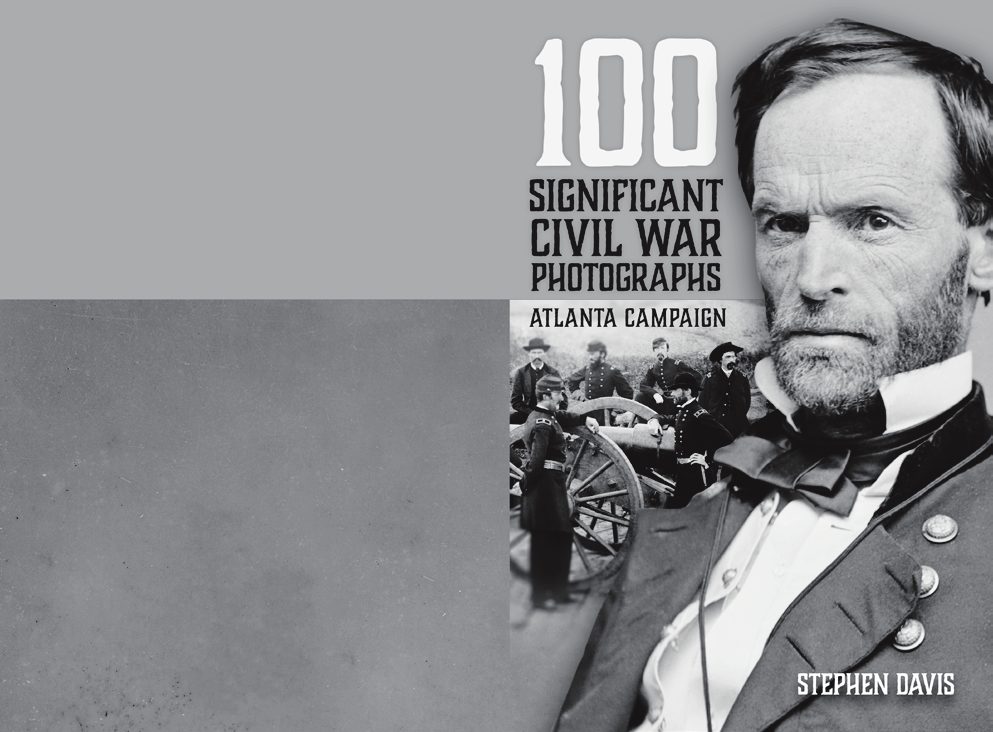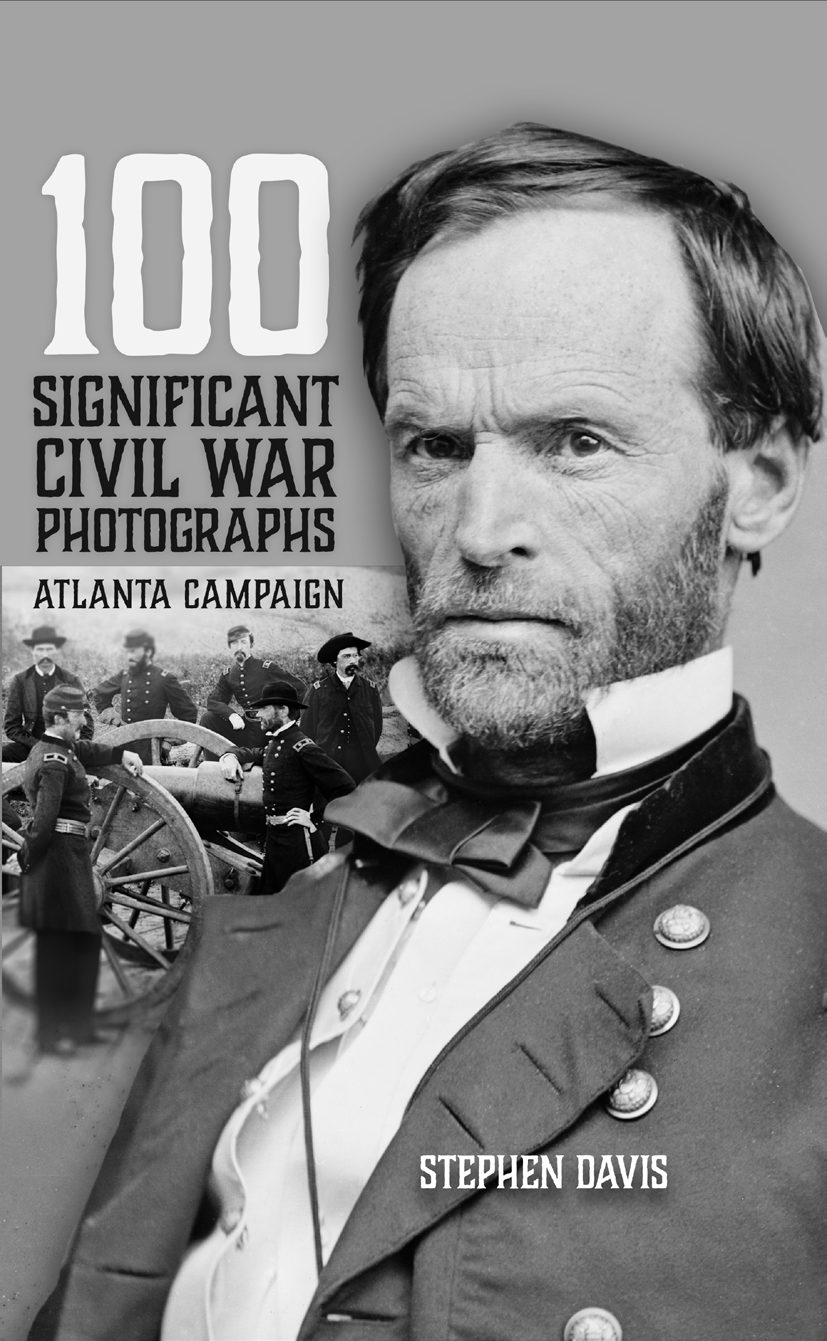
George N.The Barnard’s Atlantaphotographs Campaign of the Atlanta Campaign The American Civil War was the first war in used entrenchments, repeating rifles, ironc communications. It was also the first American War to be ex While Mathew Brady, Timothy Mathew Brady, Alexander Gardner and Timothy having made iconic photographs in the Civil O’Sullivan and a few others won fame George N. Barnard deserves to be ranked in work in the war’s western theater. A civilian photographer hired by Gen. Willi as photographers of the American take pictures of fortifications around Atla them in and around the city in the fall of Union Maj. Gen. James B. McPherson’s death Civil War’s eastern theater, George N. 1864. Thus far, no comprehensive, definitive list Barnard earned a reputation as the key work. The Library of Congress has 130 images; the Point, New York, has at least 98 photograph cameraman of the war’s western area. Other repositories, such as the Gilder Lehr New York City, have smaller collections. Evidence of this is Barnard’s hundreds For this book we have chosen a hundred imag other students may wonder at some of our se
We hope that this work will stimulate furth of photographs taken of Atlanta Barnardiana, and that other scholarly volum
Campaign scenes. Some were published in 1866, but many more have appeared in the countless pictorial histories of the Civil War. A Long and Bloody Task The Atlanta Campaign from Dalton through Kennesaw Mountain to the Chattahoochee River May 5–July 18, 1864
All the Fighting They Want The Atlanta Campaign from Peachtree Creek to the City’s Surrender July 18–September 2, 1864 With the Yankee army five miles outside of Atlanta, Hood promised not to give up with city without a fight— which is all President Jefferson Davis asked. Davis’ companion volume, All the Fighting They Want, describes Hood’s efforts to defend Atlanta. Its fall in early September 1864 was a mortal blow to Confederate hopes for independence and a big boost to Lincoln’s hopes for presidential reelection. Paperback, 192 pages.
To order a signed copy from author Stephen Davis
Davis’ narr Campaign is backs from Civil War S and Bloody forces from to the Chat Confederate relieve its Johnston, a John B. Hoo
Comments from Our Readers “I have read your new Barnard book with great interest and pleasure. It should be in the library student of the Atlanta Campaign.” David Evans Author of Sherman’s Horsemen: Union Cavalry Operations in the Atlanta Campaign “I applaud Steve Davis’ selection and use of George Barnard’s photographs, which are seen on the page all too rarely. Davis takes readers on a visual journey from the earliest days of the Atlanta Union capture of the city while zooming into the many details hidden in the depths of Barnard’s gl negatives. With introductory information and professionally curated and described photographs, Ste Davis presents a book from which casual Civil War buffs and serious Civil War photography students benefit.” Garry Adelman Vice President, Center for Civil War Photography “I’m thrilled with your very crisp, readable, easily grasped-yet-informative book. AND—it has th image quality and detail people love.” Gordon L. Jones Senior Military Historian and Curator, Atlanta History Center “The first thing I look for and see in any volume of Civil War photos is the quality of reproduc Stephen Davis’ 100 Significant Civil War Photographs: Atlanta Campaign easily passes that test, wi
by showing many of the fascinating details that emerge only with a closer examination of the image study and presentation of Civil War photography has become increasingly specialized and detailed i past 50 years, and Davis’ book exemplifies that and represents another significant addition to the Bob Zeller President, Center for Civil War Photography “I have a small roller-type book cart next to my desk, where I keep only special reference books frequently consult in my research and writing. This title now has a place on the cart! I congratul an engaging narrative to accompany the photographs you and I treasure. A job well done!” Michael K. Shaffer, Instructor Kennesaw State University and Emory University, Kennesaw, Ga.
Northern Engineers Prying Up Track Shadow dating is the practice of timing a photograph by studying its shadows.
the right—leading one to deduce that this picture was taken on the afternoon of November
Battles and Leaders series of the 1880s. When the men of the 1st Missouri Engineers (one of Poe’s two engineer regiments at Atlanta) saw the Taber illustration, they apparently recognized themselves, to the point of reprinting the drawing in their regimental history of 1889 with the caption, “the First Missouri Engineers destroying a railroad showing the use of hooks
Order by Dec. 10th and receive it by Dec. 23rd.
The American Civil War was the first war in wh both sides widely used entrenchments, repeatin rifles, ironclad warships, and telegraphed communications. It was also the first American War to be extensively photographed. Mathew Brady, Alexander Gardner and Timothy O’Sulliva are famous for having made iconic photographs in the Civil War’s eastern theater. George N. Barnard deserves to be ranked in this top tier his photographic work in the war’s western theater. A civilian photographer hired by Gen. William T. Sherman’s chief engineer to take pictures of fortifications around Atlanta, Bar took several hundred of them in and around the city in the fall of 1864. His most famous is t of Union Maj. Gen. James B. McPherson’s death the battle of Atlanta, July 22, 1864. Thus far comprehensive, definitive listing has been mad of the photographer’s work. For this book we h chosen a hundred images we deem “significant.”
for telltale clues. One of the most important e in the center, which Confederates had left
hief engineer in Hood’s army, called try for August 14, 1864, he remarked on , however, never assaulted the Confederate